
Grow Your Skills by Lifting Others

Today we dive into Skill-Building Through Community Volunteering, exploring how giving your time becomes a classroom without walls. Discover how real projects strengthen communication, leadership, analysis, and creativity while connecting you with purpose-driven people. Share your experiences in the comments, invite a friend, and subscribe to follow practical guides, personal stories, and fresh opportunities to learn while helping neighbors thrive.

Why Helping Hands Become Capable Minds
Real-World Practice, Zero Tuition

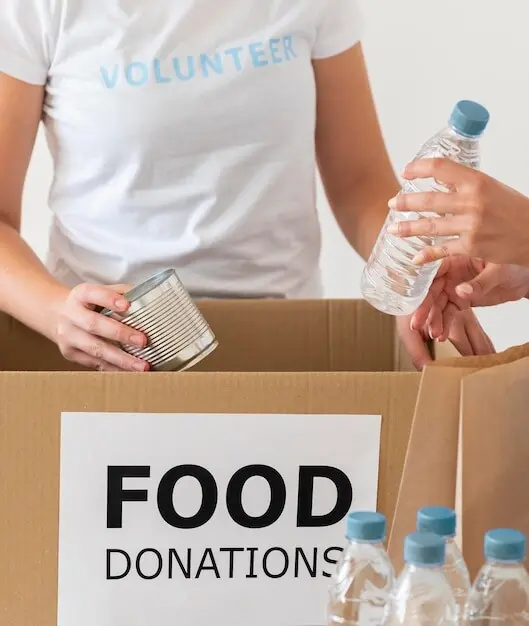
Instead of simulations, you face authentic constraints: short timelines, limited budgets, and diverse needs. Navigating those realities teaches resourcefulness and structured thinking. You iterate, debrief, and try again next week. The work becomes a living lab where questions are welcomed, feedback is immediate, and progress is measured in satisfied faces rather than abstract scorecards.

Confidence Through Contribution

Confidence often arrives mid-task, when a hesitant suggestion unlocks momentum for the entire group. You witness your input shape outcomes, whether coordinating deliveries or translating instructions. That feeling—useful, present, steady—sticks. It follows you back to school, job interviews, and new roles, reminding you that courage compounds every time you choose to step forward and help.

Transferable Skills Employers Notice

Hiring managers listen for concrete stories about resolving conflicts, organizing teams, and adapting plans. Volunteering gives you those stories, anchored in outcomes that matter. You can explain stakeholder mapping, timeboxing, and risk mitigation using accessible examples. The clarity, empathy, and ownership you practice while serving translate directly into trust on cross-functional, high-velocity professional teams.

Active Listening in Motion

Imagine a food pantry line stretching down the block. Instead of guessing needs, you ask, paraphrase, and verify: dietary restrictions, family size, cooking equipment, transportation options. That five-minute conversation prevents mismatches and embarrassment, while building trust. Over time, your questions improve, your tone softens, and your recommendations fit like a glove, not a guess.

Resolving Friction With Care

Disagreements happen under pressure. Practicing de-escalation—naming emotions, acknowledging perspectives, and proposing small, face-saving next steps—keeps momentum. You distinguish positions from interests, surface shared goals, and redirect energy toward concrete tasks. The calm you cultivate in crowded hallways becomes steadiness your teammates count on whenever priorities collide or stress silently spikes around the table.

Cross-Cultural Nuance That Builds Bridges

Serving multilingual communities teaches humility about words, gestures, and norms. You learn to check assumptions, invite community advocates, and adapt materials for clarity without condescension. Small details—eye contact, phrasing, seating—change whether people feel welcomed. Those habits strengthen any collaboration where difference is present and creativity depends on turning varied viewpoints into complementary strengths.

Leading Without the Title

Volunteer spaces reveal that leadership is behavior, not status. You clarify goals, create simple plans, and make it easy for everyone to contribute. When circumstances shift, you communicate early and redistribute tasks. By modeling humility, preparation, and gratitude, you amplify others. The result is momentum: visible, shared progress that dignifies every role and sustains commitment.

From Helper to Coordinator

One Saturday you’re sorting supplies; the next you’re assigning stations, tracking timing, and briefing newcomers. You build checklists, define handoffs, and schedule micro-retrospectives. The leap feels big until you realize you’ve been practicing all along—observing bottlenecks, clarifying blockers, and keeping spirits steady. Coordination emerges naturally from care, attention, and a bias toward clarity.

Agility When Plans Bend

Rain cancels the outdoor clinic. Half the volunteers are late. A shipment is missing labels. You breathe, triage, and re-sequence. Prioritize must-haves, timebox nice-to-haves, and communicate constraints. Each improvisation sharpens judgment. Next event, you pre-stage backups, label bins, and script contingencies so flexibility becomes planned, not panicked—a professional habit that rescues projects anywhere.

Measuring What Matters

Instead of vanity metrics, you track outcomes people feel: shorter lines, clearer instructions, safer spaces, smoother follow-up. You pair quantitative counts with qualitative stories, and you share results with stakeholders. Transparent reporting invites feedback and funding, while giving your team evidence that their effort compounds into sustained, practical change beyond a single busy afternoon.

Hands-On Skills Through Service

Data for Good

You clean spreadsheets, design simple forms, and map neighborhoods to route deliveries efficiently. You learn to validate entries, set permissions, and create dashboards that answer real questions. Over time, you notice patterns, surface insights, and recommend improvements, translating raw information into decisions that save fuel, reduce wait times, and better match resources to needs.

Digital Storytelling That Mobilizes

Writing a post or capturing a candid photo becomes an exercise in persuasion and respect. You balance clarity with consent, spotlight people’s strengths, and give concrete calls to action. Each campaign teaches A/B testing, accessibility, and analytics basics, turning heartfelt outreach into trackable learning that invites supporters to show up again and again.

Operations You Can Trust

From color-coding bins to numbering tables, operational discipline prevents small errors from snowballing. You draft run-of-show scripts, assign floaters, and label equipment. Afterward, you debrief, document fixes, and simplify. That steady commitment to clarity and flow builds safety, reduces stress, and frees everyone to focus on what truly matters: caring well for people.

Turning Service Into Opportunity

Experience is valuable when it’s visible and verifiable. You translate achievements into concise resumes, living portfolios, and credible references. Capturing scope, role, constraints, and outcomes shows growth over time. Sharing these artifacts on professional platforms invites mentorship, interviews, and collaborations that respect your journey from curious helper to reliable, impact-minded contributor.
Collect artifacts: shift schedules you designed, training guides you wrote, before-and-after photos, and metrics with context. Reflect on the challenge, your approach, and the result. Package stories with outcome numbers and quotes. Clear, human narratives help reviewers quickly understand your judgment, resilience, and care for people beyond buzzwords or self-promotion.
When you serve well, relationships form easily. Thank organizers, ask thoughtful questions, and offer follow-up help. Connect on professional platforms with a short note referencing shared moments. Over months, these light touches compound into genuine sponsors who remember your reliability and invite you to roles where your strengths and values can flourish.
Transform chaotic Saturdays into structured narratives: situation, task, action, result, reflection. Explain constraints, decisions, and tradeoffs without blaming anyone. Emphasize collaboration, learning, and measurable outcomes. Practicing aloud sharpens pacing and detail. You enter conversations grounded and specific, ready to describe how serving neighbors refined professional muscles you now bring confidently to new challenges.

Design Learning Goals You’ll Keep

Choose two skills to strengthen each quarter—perhaps facilitation and documentation. Define observable behaviors, practice reps, and checkpoints. Share goals with teammates who can nudge and notice progress. This simple plan converts good intentions into weekly practice, protecting momentum through clarity, accountability, and the quiet joy of seeing craft compound over time.

Rituals That Protect Energy

Create closing routines: five-minute debriefs, hydration, snack, short walk, brief notes. Schedule light recovery the next morning. These rituals signal completion, prevent rumination, and preserve enthusiasm. Sustainable service depends on caring for the caregiver too, ensuring you return with curiosity, not exhaustion, ready for the next meaningful, human-scale challenge.

Your Next Step Starts Nearby

Momentum begins with one conversation. Identify an organization, clarify where you want to grow, and offer a small, specific commitment. Ask how your strengths can help this month. Share your progress in the comments, invite a friend to partner, and subscribe for checklists, spotlights, and local opportunities that turn caring into confident capability.
Nilozoridexolentovarokento
Privacy Overview

This website uses cookies so that we can provide you with the best user experience possible. Cookie information is stored in your browser and performs functions such as recognising you when you return to our website and helping our team to understand which sections of the website you find most interesting and useful.